Share Private Approach By-law Review on FacebookShare Private Approach By-law Review on X (formerly Twitter)Share Private Approach By-law Review on LinkedinEmail Private Approach By-law Review link
Consultation has concluded
On April 8, 2026, the City enacted the Access By-law (No. 2026-139) to regulate pedestrian and vehicular access to private property within City highways, and to repeal the Private Approach By-law.
Why is there a new Access By-law?
The City has rules for the ROW, including property owner maintenance, what can be installed and where, and who is qualified to do different types of work in the ROW. The Access By-law makes the rules for driveway construction, use and maintenance that were in the previous Private Approach By-law simpler and clearer to understand and includes clear rules for walkways to align with the new Zoning By-law. It will streamline approvals, reduce red tape and give staff more flexibility in reviewing access locations and designs.
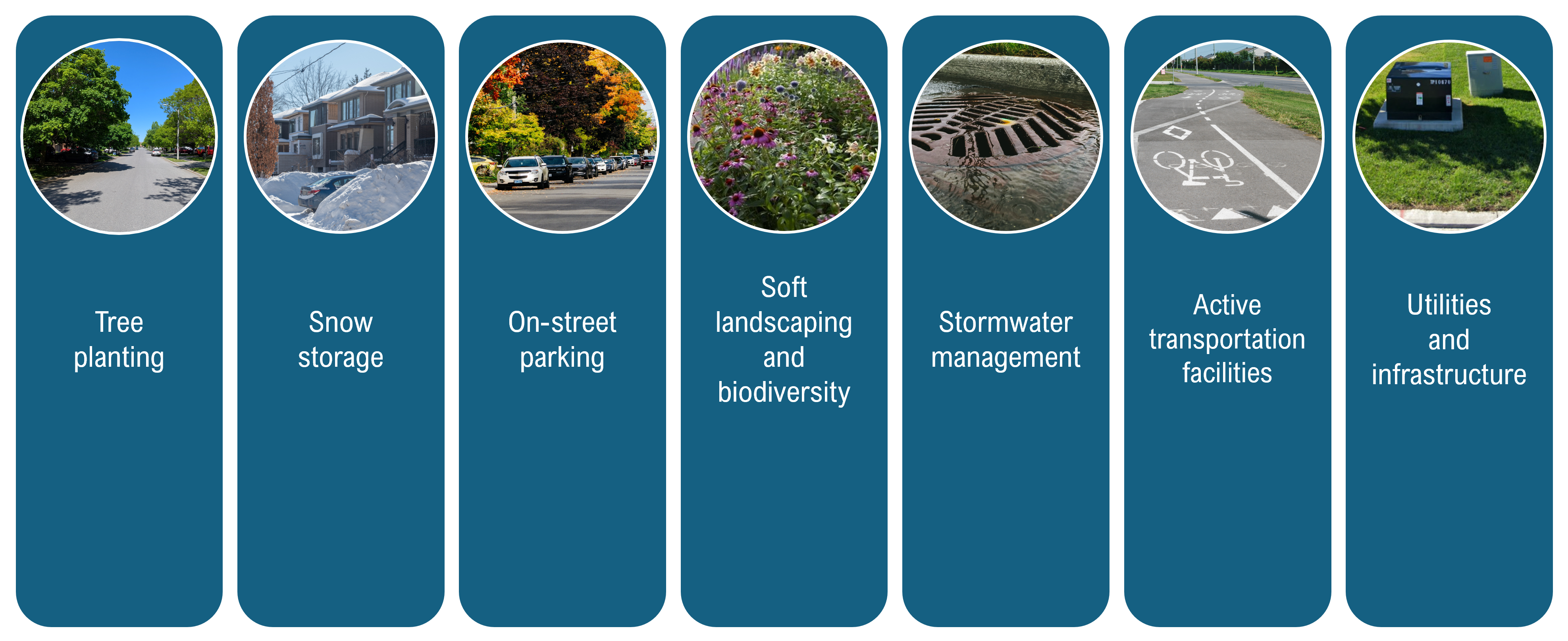
The Access By-law helps preserve essential greenspace in the ROW for planting trees to grow the tree canopy, storing snow and soaking up rain and runoff, and design rules that allow for on-street parking opportunities and support pedestrian and cycling infrastructure.
Access maintenance requirements
Maintenance and liability for the portion of a driveway or walkway in the ROW (vehicular or pedestrian access) rests with the abutting property owner. Accesses, including any curbs, culvert pipe, headwalls, and steps, must be kept in a good state of repair to not cause injury or damage to property. Where an access includes a culvert, the property owner must also make sure there is clear open passage of water through the culvert.
Anaccess permit is required before a property owner can construct, modify (including widening), close or remove an access. This applies for residential vehicular access (driveways) as well as farm and field access, temporary access, vehicular access for other land uses, or a pedestrian in some cases. Permits are not required to resurface an access. More information on access permits can be found on ottawa.ca.
On April 8, 2026, the City enacted the Access By-law (No. 2026-139) to regulate pedestrian and vehicular access to private property within City highways, and to repeal the Private Approach By-law.
Why is there a new Access By-law?
The City has rules for the ROW, including property owner maintenance, what can be installed and where, and who is qualified to do different types of work in the ROW. The Access By-law makes the rules for driveway construction, use and maintenance that were in the previous Private Approach By-law simpler and clearer to understand and includes clear rules for walkways to align with the new Zoning By-law. It will streamline approvals, reduce red tape and give staff more flexibility in reviewing access locations and designs.
The Access By-law helps preserve essential greenspace in the ROW for planting trees to grow the tree canopy, storing snow and soaking up rain and runoff, and design rules that allow for on-street parking opportunities and support pedestrian and cycling infrastructure.
Access maintenance requirements
Maintenance and liability for the portion of a driveway or walkway in the ROW (vehicular or pedestrian access) rests with the abutting property owner. Accesses, including any curbs, culvert pipe, headwalls, and steps, must be kept in a good state of repair to not cause injury or damage to property. Where an access includes a culvert, the property owner must also make sure there is clear open passage of water through the culvert.
Anaccess permit is required before a property owner can construct, modify (including widening), close or remove an access. This applies for residential vehicular access (driveways) as well as farm and field access, temporary access, vehicular access for other land uses, or a pedestrian in some cases. Permits are not required to resurface an access. More information on access permits can be found on ottawa.ca.
Share Public Comment Form on FacebookShare Public Comment Form on X (formerly Twitter)Share Public Comment Form on LinkedinEmail Public Comment Form link