
Proposed Traffic Calming Measures
Additional Information about Proposed Traffic Calming Measures
Speed Cushions
Speed cushions are raised roadway features similar to speed humps, but with gaps that allow larger vehicles, such as buses and emergency vehicles, to straddle them while still slowing down typical passenger vehicles. Please note the difference between Speed Bumps, Speed Humps, Speed Tables and Speed Cushions. Speed cushions are effective in reducing speeds and are designed to minimize impacts on larger vehicles. Any effect on emergency response times is expected to be minor.
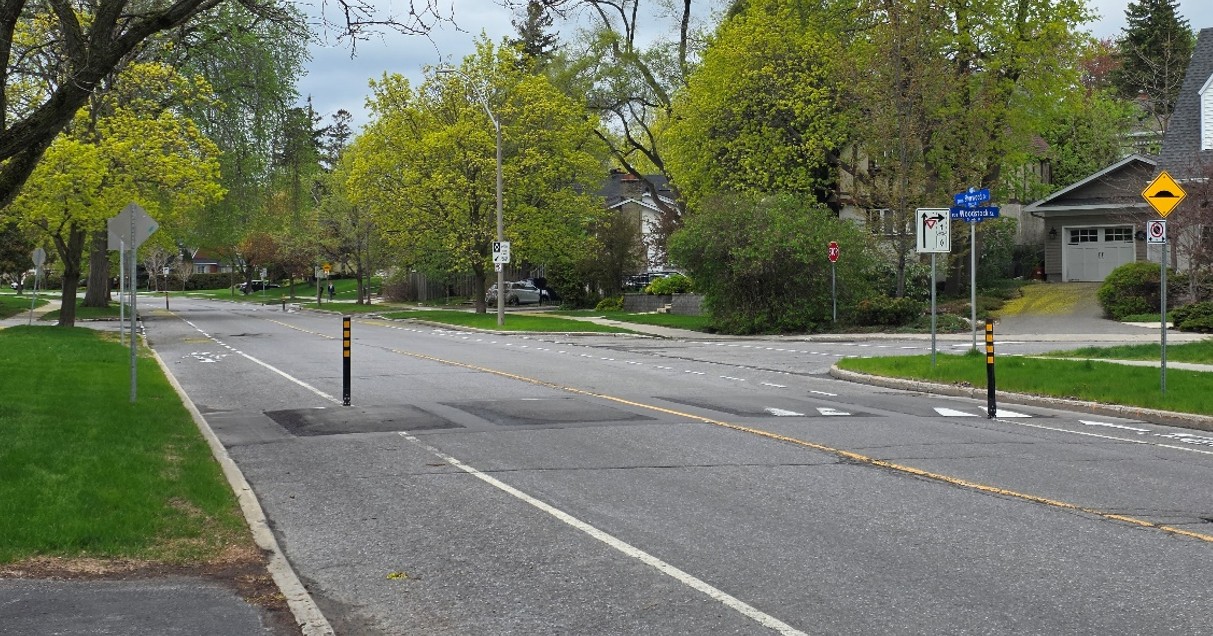 Figure 1 – Example of speed cushions installed on a roadway with bicycle lanes
Bicycle Lanes
A bicycle lane is a designated portion of the roadway marked for exclusive use by cyclists. It separates cyclists from higher-speed vehicular traffic, improving safety and comfort. In addition, the reduced roadway width resulting from the installation of bicycle lanes can help discourage speeding.
To accommodate the implementation of bicycle lanes it is necessary to remove on-street parking, as well as prohibit stopping along the length of the bicycle lanes.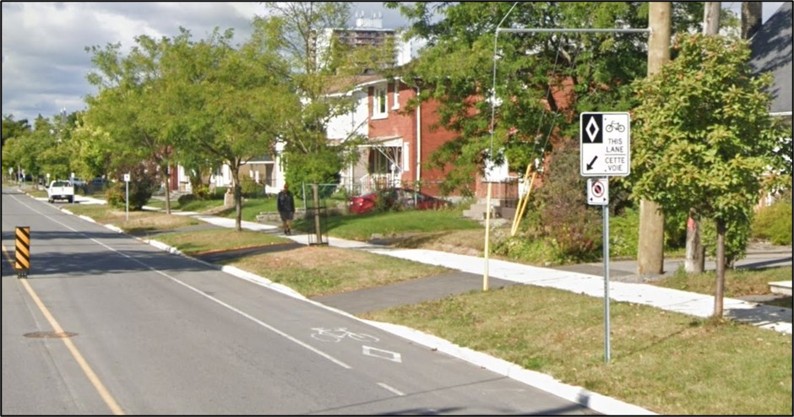 Figure 2 - Example of a painted bicycle lane Corner Radius Reductions
Corner radius reductions involve modification of intersection curbs to tighten the corner with the intent of reducing speeds of right-turning vehicles as well as shortening crossing distances for pedestrians.
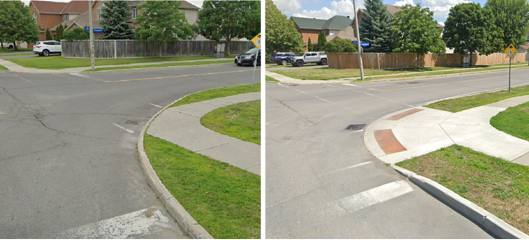 Figure 3 – Example of a corner radius reduction; before (left image) and after (right image)Pedestrian Crossovers
A new Type D pedestrian crossover (PXO) is being proposed at the intersection of Décoeur Drive and Esturgeon Street, providing a connection to an existing pathway in Don Boudria Park. Pedestrian crossovers require vehicles to yield to pedestrians, allowing them to safely cross the roadway. The proposed PXO also incorporates a roadway narrowing which shortens the crossing distance for pedestrians and further helps to reduce vehicle speeds at this location.
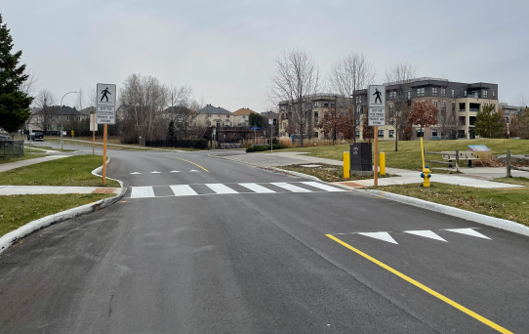
Figure 4 - Example of a pedestrian crossover with integrated road narrowing
A planned school crossing at Magnolia Street (to be implemented by others) is proposed to be upgraded to a Type D pedestrian crossing with a refuge island as part of this project. The central refuge island provides a safe stopping point for pedestrians crossing the road, reduces the effective crossing distance, and helps to decrease vehicle speeds due to the reduced travel lane widths.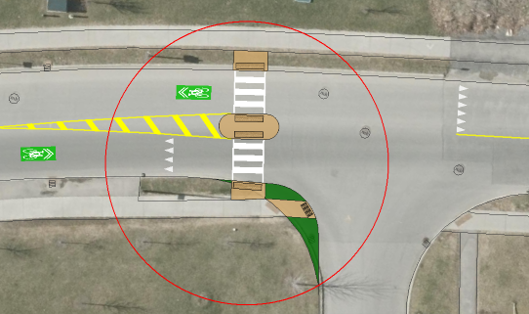 Figure 5 - Proposed PXO with refuge island at the Décoeur Drive and Magnolia Street intersection
In the option 2 alternative, a refuge island upgrade is also proposed at the existing Type C pedestrian crossover between Sculpin Street and Aquarium Avenue/Guppy Grove.
Pedestrian crossovers can improve pedestrian safety by providing a clearly marked and controlled crossing point, increase driver awareness of pedestrian activity, and make crossing more convenient and comfortable for all users, including seniors, children, and persons with disabilities. By creating safer and more accessible crossing opportunities, PXOs may also encourage walking and support active transportation along the corridor.

Thank you for your contribution!
Help us reach out to more people in the community
Share this with family and friends