Suburban areas within the City of Ottawa are expanding to meet anticipated population growth over the coming decades. The community of Riverside South is expanding south and east towards Bowesville and Rideau Roads, in what is known as the
Bowesville – Riverside South Future Neighbourhood. The City of Ottawa recognizes the importance of protecting the natural environment over the long term, and is therefore leading the preparation of a subwatershed study and management plan for the Greater Mosquito Creek Subwatershed, which encompasses both the Bowesville expansion area and the existing Riverside South community, as well as some adjacent rural lands.
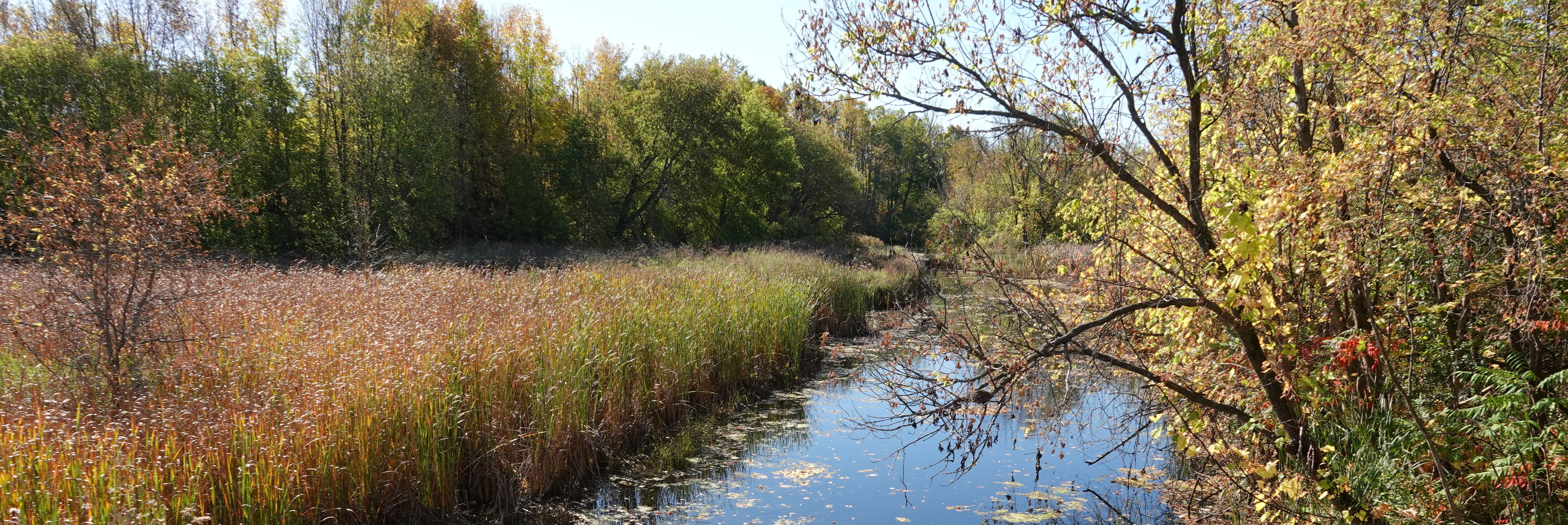
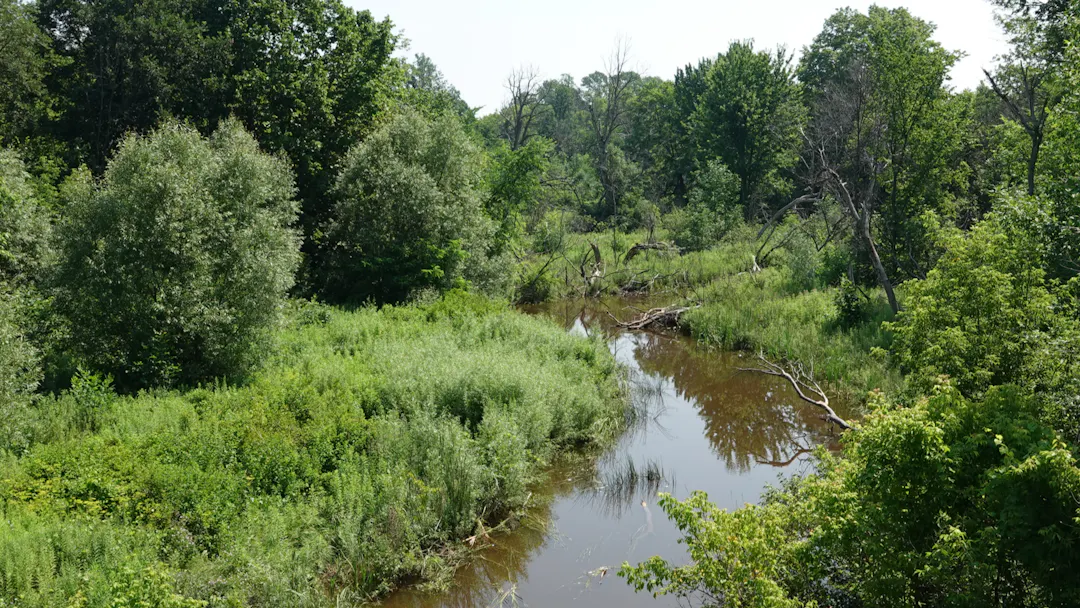
Healthy watersheds support biodiversity, reduce flooding and erosion risks, provide clean water, and help communities adapt to climate change. The Greater Mosquito Creek subwatershed covers approximately 5,500 hectares of urban areas, farmland, forests and wetlands in Ottawa. This study will identify actions to protect watershed health while supporting sustainable growth.
What is a subwatershed study?
A watershed can be defined as an area that is drained by a river and its tributaries, whereas subwatersheds are areas that are drained by a tributary or some defined portion of a stream. In this case, Mosquito Creek, the adjacent unnamed small creeks to the south and the Keith Moodie (Also Osgoode) Drain are all tributaries to the Rideau River. A subwatershed study is a science-based plan that looks at how land, water and communities interact within the subwatershed. It combines technical research with local knowledge to set shared priorities for protection, restoration and sustainable management.
The overall intent of subwatershed planning is to protect and enhance water resources and broader natural heritage systems, ensure public health and safety are protected from natural hazards, and guide land use planning. By undertaking this planning exercise at the subwatershed scale, local issues and concerns can be addressed, and a framework can be developed to inform development and land use changes within an ecologically meaningful context. This subwatershed planning framework will complement the ongoing planning process for the Bowesville – Riverside South Future Neighbourhood, and will inform any future environmental studies needed to support development within the subwatershed, such as environmental impact studies. The subwatershed planning process also provides meaningful opportunities for public engagement and consultation with local Indigenous communities.
Where can I find more information?
Get involved
Community input is central to the subwatershed study. Residents, landowners and partners are invited to participate at key milestones.
As the study progresses, Public Information Centres will be held so residents can learn more about it and ask questions of the study team. Event details will be provided below in advance of each event.
Feedback collected from the community will help shape recommendations for stewardship, monitoring and restoration in the Greater Mosquito Creek subwatershed. A summary of public input will be shared after each event.
Suburban areas within the City of Ottawa are expanding to meet anticipated population growth over the coming decades. The community of Riverside South is expanding south and east towards Bowesville and Rideau Roads, in what is known as the
Bowesville – Riverside South Future Neighbourhood. The City of Ottawa recognizes the importance of protecting the natural environment over the long term, and is therefore leading the preparation of a subwatershed study and management plan for the Greater Mosquito Creek Subwatershed, which encompasses both the Bowesville expansion area and the existing Riverside South community, as well as some adjacent rural lands.
Healthy watersheds support biodiversity, reduce flooding and erosion risks, provide clean water, and help communities adapt to climate change. The Greater Mosquito Creek subwatershed covers approximately 5,500 hectares of urban areas, farmland, forests and wetlands in Ottawa. This study will identify actions to protect watershed health while supporting sustainable growth.
What is a subwatershed study?
A watershed can be defined as an area that is drained by a river and its tributaries, whereas subwatersheds are areas that are drained by a tributary or some defined portion of a stream. In this case, Mosquito Creek, the adjacent unnamed small creeks to the south and the Keith Moodie (Also Osgoode) Drain are all tributaries to the Rideau River. A subwatershed study is a science-based plan that looks at how land, water and communities interact within the subwatershed. It combines technical research with local knowledge to set shared priorities for protection, restoration and sustainable management.
The overall intent of subwatershed planning is to protect and enhance water resources and broader natural heritage systems, ensure public health and safety are protected from natural hazards, and guide land use planning. By undertaking this planning exercise at the subwatershed scale, local issues and concerns can be addressed, and a framework can be developed to inform development and land use changes within an ecologically meaningful context. This subwatershed planning framework will complement the ongoing planning process for the Bowesville – Riverside South Future Neighbourhood, and will inform any future environmental studies needed to support development within the subwatershed, such as environmental impact studies. The subwatershed planning process also provides meaningful opportunities for public engagement and consultation with local Indigenous communities.
Where can I find more information?
Get involved
Community input is central to the subwatershed study. Residents, landowners and partners are invited to participate at key milestones.
As the study progresses, Public Information Centres will be held so residents can learn more about it and ask questions of the study team. Event details will be provided below in advance of each event.
Feedback collected from the community will help shape recommendations for stewardship, monitoring and restoration in the Greater Mosquito Creek subwatershed. A summary of public input will be shared after each event.